The Journal · The Field Guide · Episode 02
Everything You Wanted to Know About the Loafer (But Were Afraid to Ask)
Penny, tassel, bit, Venetian. Where the loafer came from (a farm in Norway), which pants it goes with, and the sock question nobody wants to settle at dinner.
The Gordon Rush Editors · 6 minute read
No laces, no fuss, no apology. The loafer is the only shoe a man can wear to a board meeting, a beach lunch and a wedding in the same week, and it began life on a farm in Norway. Here is how it got from the cow shed to the best-dressed rooms in the world, and how to wear one now.

What is a loafer?
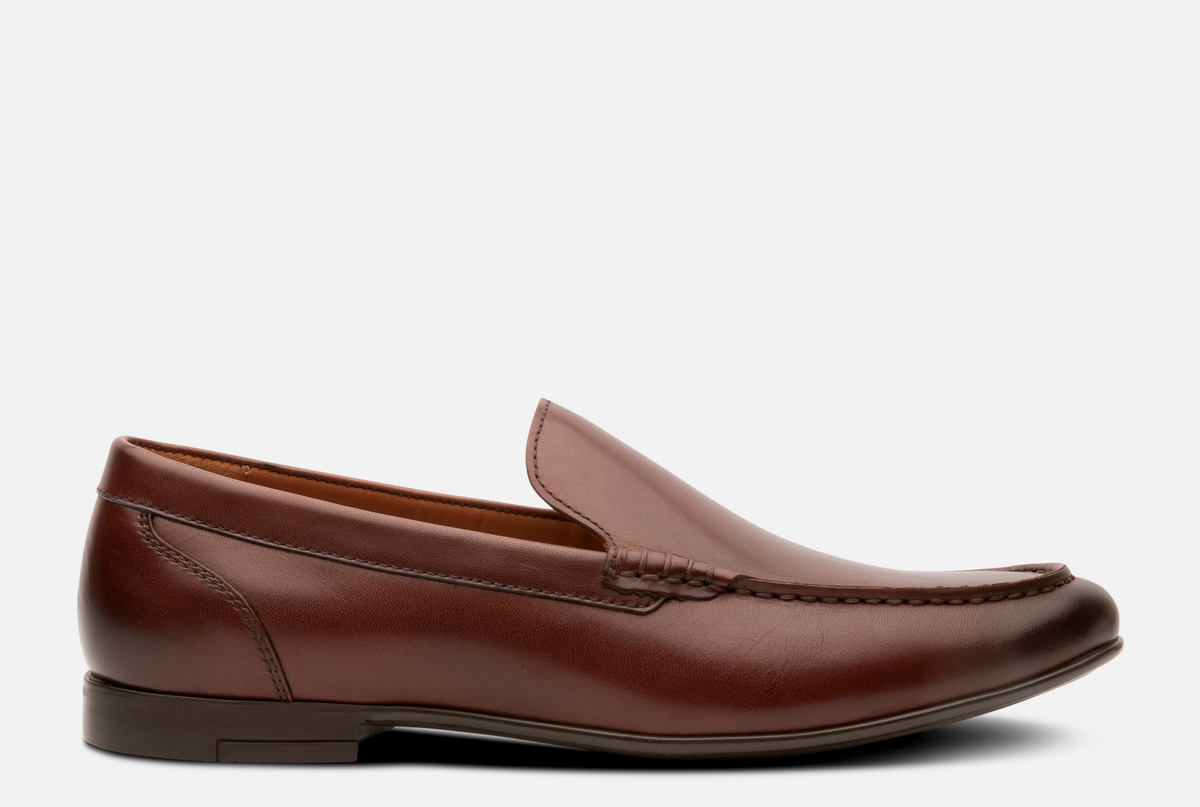
A loafer is a slip-on shoe with a low, open throat and no laces. What separates one loafer from another is what sits across the top of the foot: a leather strap with a slot (the penny), a pair of tassels, a metal bit, or nothing at all (the Venetian). Underneath, most are built the same way, with a moccasin-style vamp that wraps the foot like a hand.
Where did the loafer come from?
Two places at once. In London in the 1920s, a bootmaker made a slip-on shoe for wearing around the house in the country, the kind of shoe a man put on after a day of shooting. It stayed a private, upper-class thing.
The shoe that changed everything came from Norway. In the 1930s a shoemaker in Aurland, a village at the end of a long fjord, combined the moccasins he had seen in North America with the simple slip-ons that Norwegian farmers wore around the barn. American magazines photographed dairy farmers in them, visitors brought them home, and within a few years American shoemakers were making their own. For a long time Americans simply called the style “Norwegians.”

Why is it called a penny loafer?
Because of the strap. Early loafers had a leather saddle across the vamp with a small cut-out, and in the 1950s American college students started tucking a coin into it. The usual story is that a dime there covered an emergency phone call home. The penny was cheaper, looked better and stuck, and so did the name.
The word loafer itself is older and plainer: it meant a man of leisure, and an easy shoe for an easy afternoon took the name.

Penny, tassel, bit or Venetian: which loafer is which?
The penny loafer is the classic: a strap across the vamp, slightly preppy, good with everything from chinos to a navy suit.
The tassel loafer came in 1948, when an actor brought a pair of tasseled shoes back from Europe and asked an American shoemaker to make him something similar. It became the shoe of lawyers and bankers, and it still reads a little dressier.
The bit loafer carries a metal snaffle across the top, a nod to horse tack. A Florentine leather house introduced it in 1953, and it is the most Italian of the four.
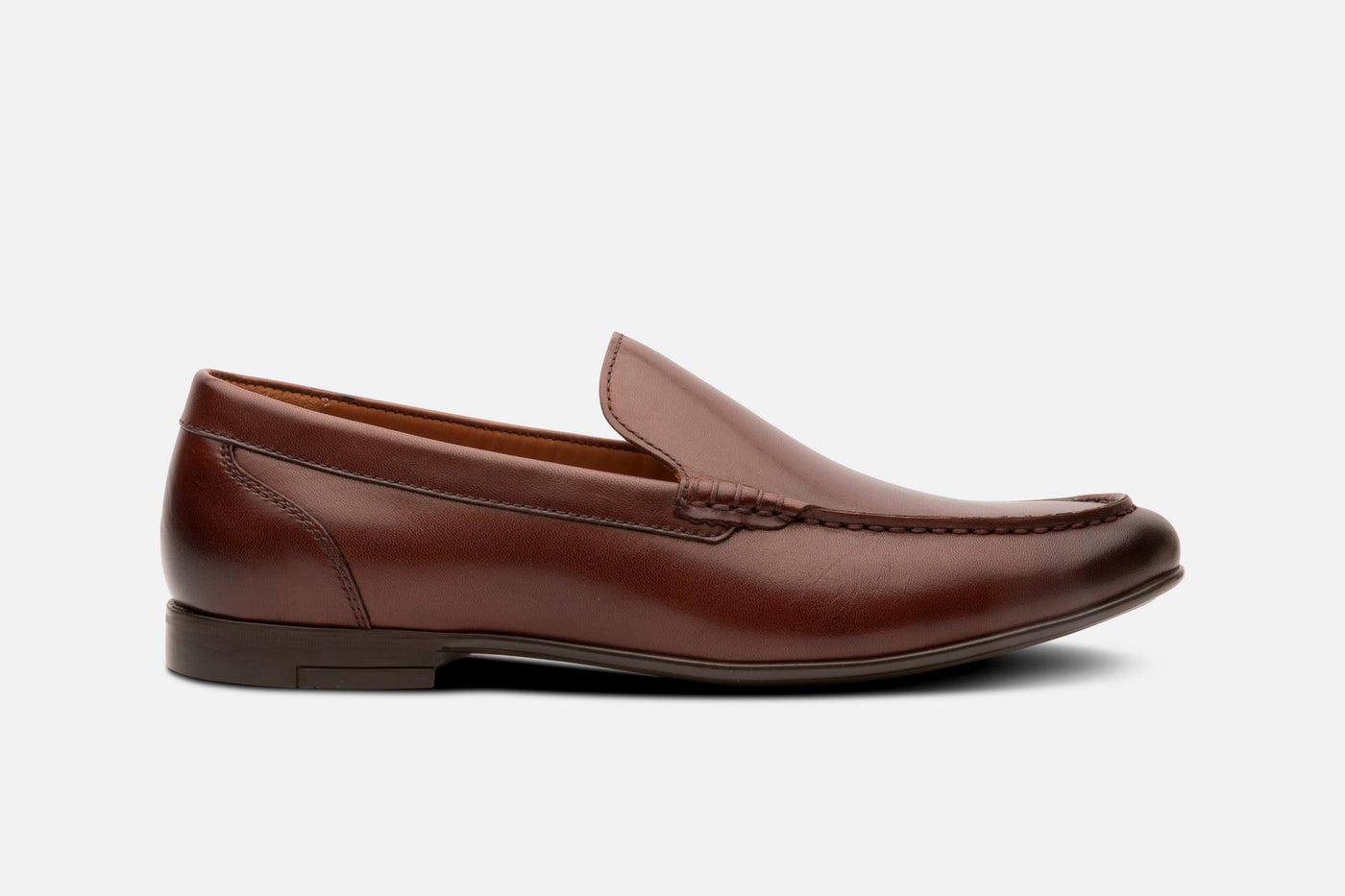
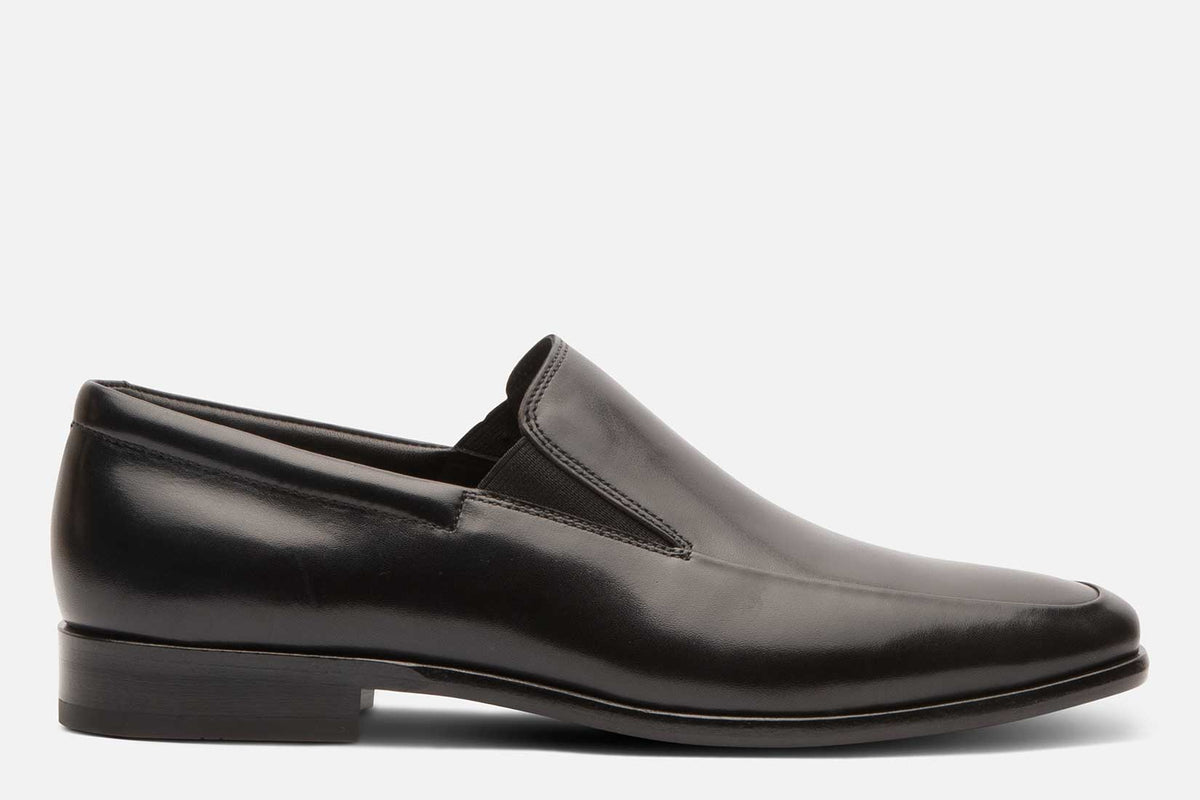
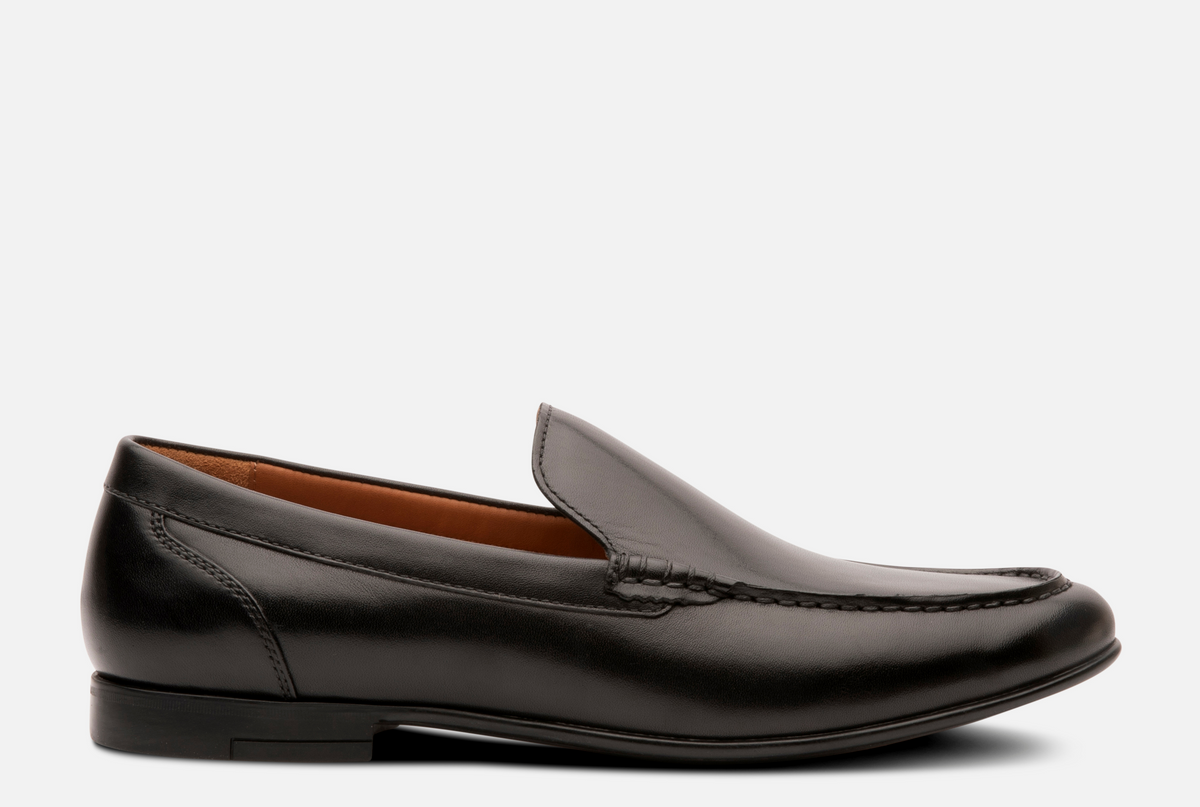
The Venetian has nothing on top at all: a clean vamp, a low throat and a long, slim line. It is the most minimal loafer and the most versatile, which is why our Ashton is built this way, with a hand-stitched moc toe. Its sibling, the Albany, trades the moc stitch for a smooth apron seam and hidden elastic gores: it slips on like a loafer and sits like a dress shoe.


The loafer is the one shoe that looks right when you are trying and when you are not.
Can you wear loafers with a suit?
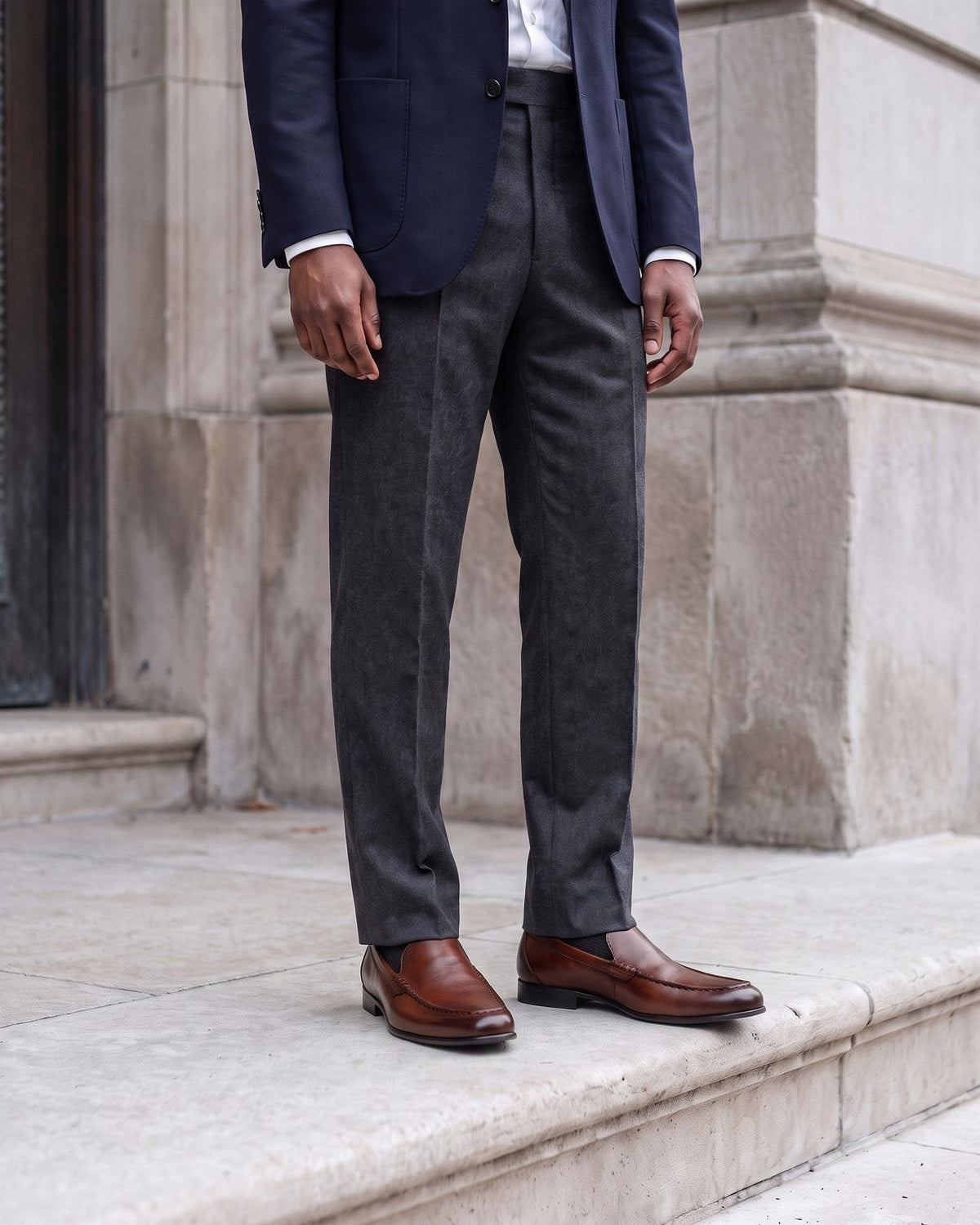
Yes, and men in Milan and Naples have done it for decades. A slim black or dark brown loafer looks sharp with a navy or gray suit, especially in lighter cloths and in the warmer months. Keep the trouser narrow with little or no break, so the line runs clean to the shoe.
The exceptions are few: black tie (wear a patent shoe or a velvet slipper) and the most formal business settings, where a cap-toe oxford is still the safer bet. Everywhere else, the loafer is welcome.


How to wear loafers with jeans and chinos
This is where the loafer earns its keep. With jeans, choose a straight or slim leg and roll or hem it to sit just at the top of the shoe; a stack of denim over a loafer looks sloppy. Dark indigo with brown, black denim with black.
With chinos, especially cream, stone or white, a black loafer and a black knit is one of the best-looking outfits a man can put together, and it takes about a minute.


Do you wear socks with loafers?
The question nobody wants to settle at dinner. Here is the rule. With tailoring and in cold weather, wear socks, matched to the pants rather than the shoes: charcoal with gray, navy with navy. With cropped chinos, shorts or summer linen, go without, and wear a no-show liner so the leather stays dry and the shoe stays fresh.
What never works: a white athletic sock, or a patterned sock that is trying too hard. The loafer is a quiet shoe. Let it be.
Black or brown?
If you are buying one pair, buy brown. A whiskey or dark brown loafer works with navy, gray, olive, cream and every shade of denim, and it looks better with age. A black loafer is sharper and more urban, and it is the right call if you wear a lot of black, gray and charcoal. Most men end up with both.
How should loafers fit, and how do you care for them?
Snugger than a lace-up, because there are no laces to hold your foot. Your heel should lift only a few millimeters as you walk, and the sides should hug without pinching. Leather loosens a little with wear, so when you are between sizes, try the smaller one first.
Use a shoe horn every time; stepping on the heel is how loafers die young. Put cedar shoe trees in at night, give them a day off between wears, and polish them every month or two. A good cobbler can resole them when the time comes.

Are loafers still in style?
They have been for almost a century, and they have never looked more at home than now, when men want one pair of shoes that works with a suit on Tuesday and with jeans on Saturday. That is the test: will it be as good in twenty years as it is today? The loafer passes.
Shop the episode
The Gordon Rush loafers: the Ashton and the Albany
The Journal
Notes on a well-made life.
Style, travel, food, music and design, all held to one test: will it be as good in twenty years as it is today?
More from The Journal